
Genethon newsletter – 2026 Issue Number 2
Genethon, a unique non-profit gene therapy R&D organization founded by the French Muscular Dystrophy Association (AFM-Telethon), reported clinical trial updates for its best-in-class Duchenne muscular dystrophy (DMD) gene therapy and announced a unique collaboration with a US-based company to improve precision targeting of gene therapies. Read about these and other milestones in our latest Newsletter.
CEO Commentary
Genetic Medicine Has Reached a Pivotal Moment in the Goal of Ensuring Access for All Patients with Rare and Common Diseases

Genetic medicine has entered a new era. In just a CEO of Genethon few years, it has evolved from scientific promise to clinical reality for tens of thousands of patients.
Today, nearly 80 genetic medicine therapies have been approved worldwide; 50 of which were approved during the past five years, reflecting an unprecedented pace of innovation.
They use multiple modalities such as viral vectors, non-viral vectors. gene editing, and ex vivo gene therapy, and they have changed the lives of patients and families facing diseases considered incurable a few years ago.
These therapies cover a large spectrum of diseases with severe genetic diseases and hematological cancers being some of the first indications and now extending to frequent disorders with ongoing developments for neurodegenerative diseases, immune and inflammatory indications, solid cancers, ophthalmic disorders, and beyond.
Genetic medicine now stands at a pivotal moment. The science has proved its potential. However, to achieve the goal of ensuring patient access to these unique therapeutic opportunities, questions remain:
- How can we extend the existing successes to the benefit of the largest populations of patients possible?
- How do we make sure no patient who could benefit from these advances is left behind?
- What are the hurdles and how do we overcome them?
Answers to these questions are multi-layered and have the potential to redefine health care worldwide.
They involve science and technology, of course, but also regulatory frameworks and creative financing modalities. They require dedicated ecosystems, such as GenoTher in France, where academics, clinicians and industry leaders work together to a chieve the promise of genetic medicine.
Product Development
Atamyo Therapeutics Presents Promising Results in the First Patients Treated with ATA-200, a Gene Therapy for Limb-Girdle Muscular Dystrophy R5
Atamyo, a Genethon company, is conducting a Phase 1 b/2 trial of ATA-200, supported by the Massachusetts-based Dion Foundation for Children with Rare Diseases, at the University of Florida’s Powell Gene Therapy Center. The trial data on the first patients treated was presented at the 2026 American Society of Gene and Cell Therapy Annual Meeting.
The study is enrolling children, ages 6 to 13 years, with limb-girdle muscular dystrophy (LGMD-R5).
The progressive, life-threatening disease is caused by mutations in the SGCG gene, which encodes gamma sarcoglycan, a protein essential for muscle stability. Results from the first two patients treated with ATA-200 showed:
- More than 90% of muscle fi bers expressing the SGCG protein.
- A significant and sustained reduction in CPK levels (a biomarker of muscle damage) and a decrease in transaminases 12 months after treatment, demonstrating the significant efficacy of ATA-200.
- At 12 months post-treatment, clinical benefits were observed on several other important parameters in ambulatory patients, particularly in timed functional tests.
No serious side effects, confirming safety of the gene therapy.
Atamyo CEO Angela Columbano observed, “These initial results are very encouraging and demonstrate the potential of our product with biological data rarely seen in neuromuscular diseases and at such an early stage of the trial.”
Genethon Confirms Two-Year Efficacy in Duchenne Muscular Dystrophy Patients Treated with Its GNT0004 Low Dose Micro-Dystrophin Gene Therap
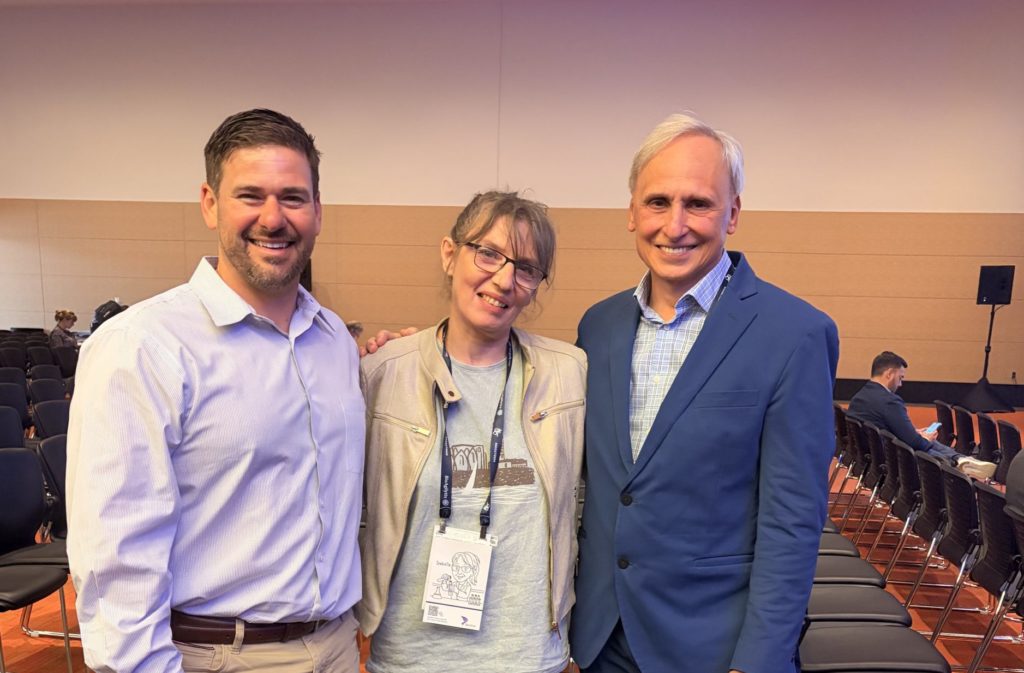
Genethon unveiled results confirming the long-term efficacy of its GNT0004 gene therapy for Duchenne muscular dystrophy (DMD) patients treated in the Phase 1/2 portion of its all-in-one Phase 1/2/3 trial at the MDA Clinical & Scientific Conference 2026 in Orlando, FL. and at the ASGCT Congress 2026 in Boston, MA.
The European clinical trial includes boys ages 6 to 10 with DMD who have retained their ability to walk. At the micro-dystrophin dose of 3×10¹³ vg/kg, selected for the Phase 3 trial, the following was observed in patients 2 years after injection:
- A significant gain in motor function as measured by the North Star Ambulatory Assessment 34-point clinical assessment scale.
- Clinical benefit maintained at 2 years, with improvement across all timed tests.
- A significant and sustained reduction in CPK levels (a biomarker of muscle damage).
- A slowdown in disease progression, as demonstrated by imaging, with a difference of more than 18% in the fat fraction in the muscles (a marker of disease progression).
- No serious side effects, confirming the safety of the product.
Genethon’s Phase 3 trial of GNT0004 began in September 2025 and will include 72 boys with DMD. The 3×10¹³ vg/kg micro-dystrophin dose is lower than that used for other DMD gene therapies.
The lower dosing is clinically and commercially significant: it reduces the risk of immune-mediated toxicities, improves overall safety margins, and eases manufacturing demands, all of which contribute to a more scalable and sustainable therapy.
Genethon, Ampersand Biomedicines Collaborate to Design Novel AAV Vectors with Enhanced Tissue Specificity for More Effective Gene Therapie
Genethon is collaborating with US-based Ampersand Biomedicines, a Flagship Pioneering multi-product platform company to engineer a new generation of AAV capsids with superior tissue specificity, unlocking the full therapeutic potential of AAV-based gene therapy.
Genethon CEO Frederic Revah, Ph.D., said, “Precision targeting is a key driver for improving both the efficacy and tolerability of gene therapy. By directing the vector exclusively to the tissues of interest, higher potency with lower doses can be used, systemic exposure is reduced, and immune responses can be minimized. We are delighted with this collaboration with Ampersand Biomedicines, which combines cutting edge AI-powered drug design technology with Genethon’s expertise in gene therapy, and opens up new perspectives for novel generation AAV-gene therapies.”
The partnership will initially focus on skeletal muscle, where Genethon is a globally recognized expert, with the intent to expand vector targeting across a broad range of tissues and organs.
Conferences
Genethon Scientists Showcase Breakthroughs at Major Conferences in China and the US
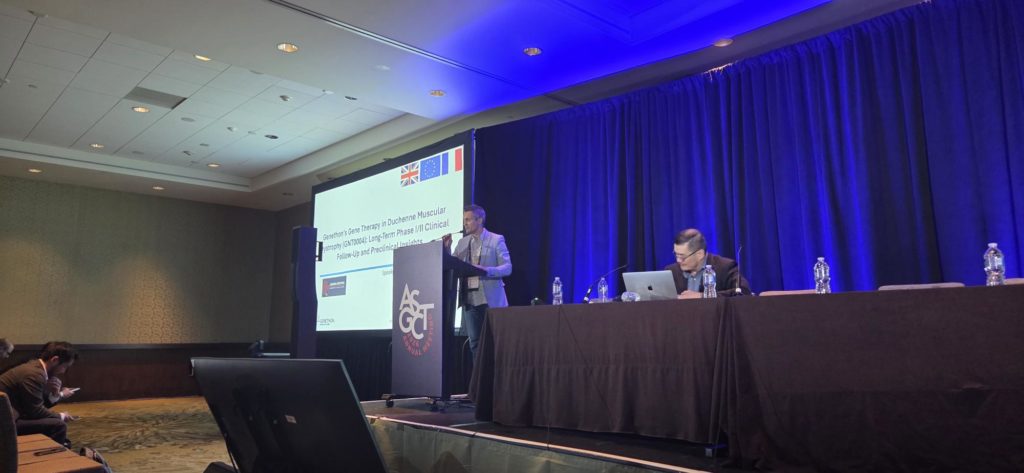
Genethon’s teams continue to demonstrate their scientific leadership at the 2026 American Society of Gene & Cell Therapy annual meeting in Boston, MA, where scientists made eight oral and 13 poster presentations highlighting significant milestones in a broad range of gene therapy research and development
Among the oral presentations were efficacy data on three major clinical trials involving best-in class gene therapies for Duchenne muscular dystrophy, limb-girdle muscular dystrophy (LGMD R5) and Crigler-Najjar syndrome. In total, the 21 presentations demonstrate the depth and diversity of Genethon’s expertise in developing gene therapies for rare diseases, spanning fundamental research to translati onal and clinical applications.
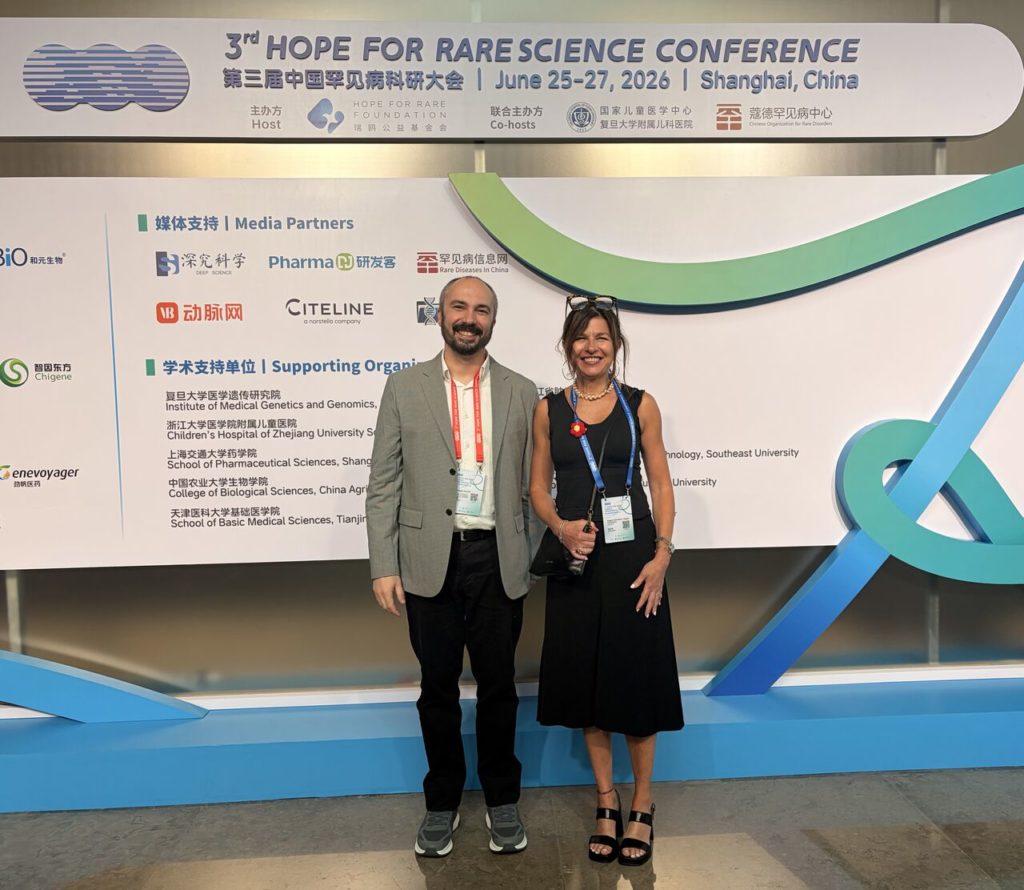
Genethon’s expertise was also highlighted at the 2026 Hope for Rare Science Conference in Shanghai (China) where, Giuseppe Ronzitti, PhD., Genethon’s Director of Research Strategy and Director of Research (DR2) at lnserm, delivered two oral presentations
He revealed two-year efficacy an d safety data from Duchenne muscular dystrophy patients treated in Genet hon’s all-in-one Phase 1 /2/3 trial of GNT0004.
In a second presentation, he detailed how Genethon is expanding gene therapy indications to the largest populations possible using safe and efficient gene transfer, including a clinical trial exploring the use of i mlifidase to overcome patients’ pre-existing anti-MV immunity, one of the key challenges in gene therapy today
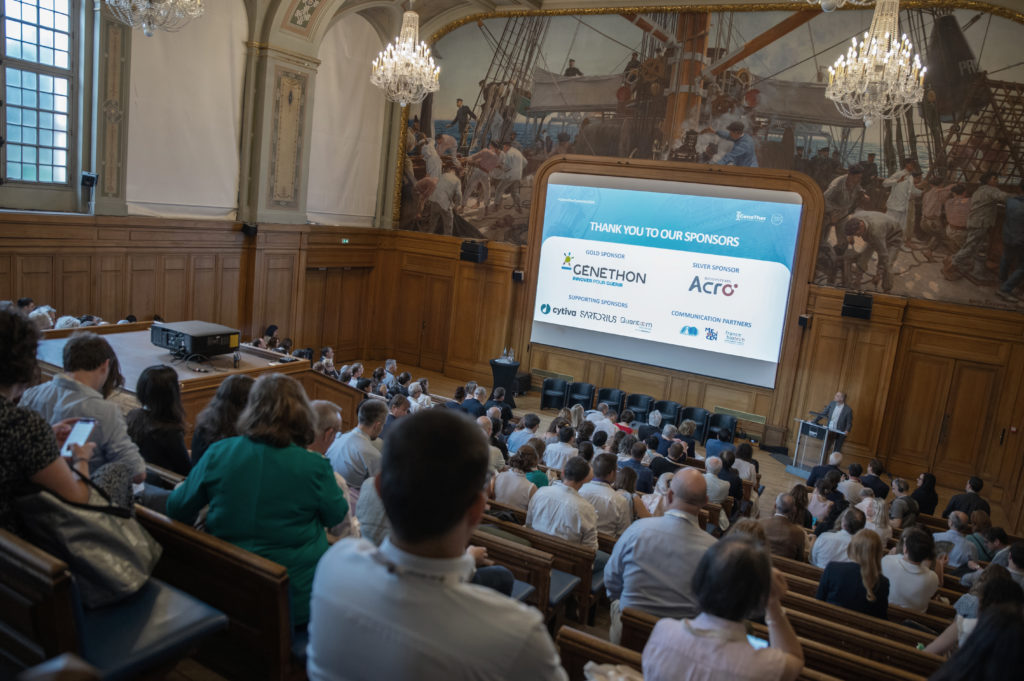
GenoTher, Europe’s Biocluster Dedicated to Accelerating Genetic Medicine, Holds 2nd Summit Featuring Scientific, Industry and Government Leaders
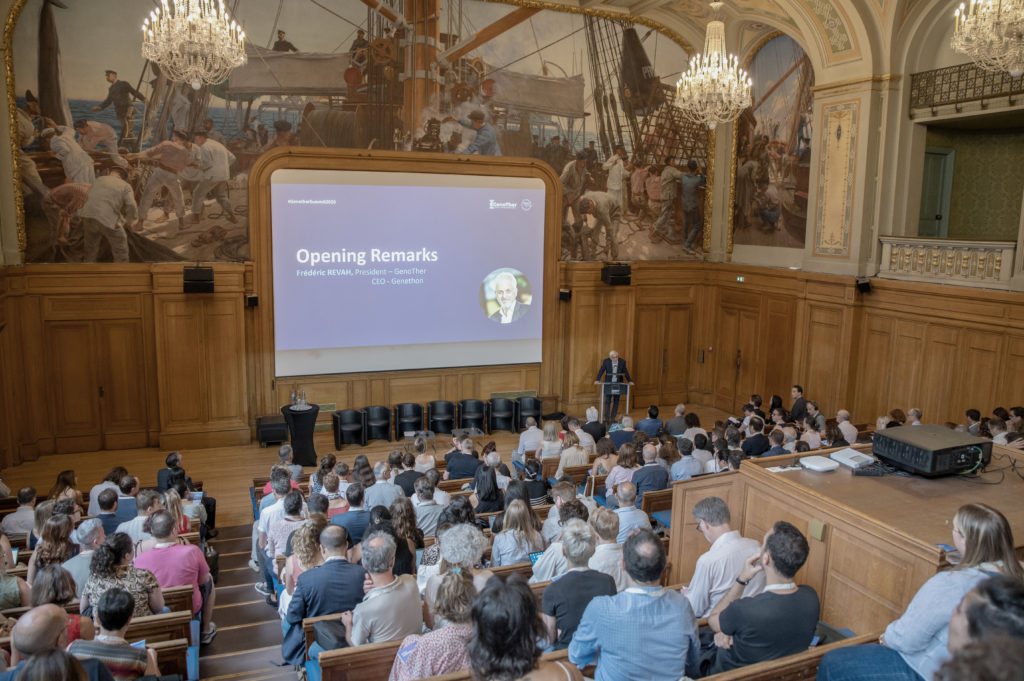
GenoTher, recognized under the France 2030 Plan, is Europe’s premier biocluster dedicated to accelerating the development of gene therapy drugs from research to commercialization. The biocluster’s summit brought together 40 international leaders from academia, clinical research, industry, investment, and regulatory bodies, along with more than 400 participants.
During the Summit, the discussions highlighted a profound transformation in genetic medicine around three topics.
Firstly, as the field covers indications from frequent to ultra personalized indications the long term viability of “N-of-1” approaches, including antisense oligonucleotides (ASOs) and bespoke genome editing is a key challenge, as those strategies also pave the way for scalable therapeutic platforms.
Secondly, delivery remains a critical bottleneck for widespread clinical adoption. Innovations in AAV vector engineering and lipid nanoparticle (LNP) technologies are improving targeting and efficiency. Advances in in vivo genome editing and large scale bioproduction are accelerating translation into clinical settings.
Thirdly, artificial intelligence is emerging as a key enabler across the entire therapeutic value chain. It is driving faster, more precise, and increasingly industrialized development of genetic medicines.
The GenoTher biocluster fosters exchanges and meetings between academic and industrial stakeholders, in a spirit of collaboration to accelerate the transformation of scientific advances into accessible therapeutic solutions. The goals are to benefit patients with rare diseases as well as those with more common conditions.
In addition to Genethon, GenoTher’s founders are Spark Therapeutics, Assistance Public Hospital of Paris, Genopole, Inserm, Universite d’Evry – Paris Saclay and Yposkesi. The biocluster is supported by the French government’s five-year commitment of €140 million, half of which already has been allocated to GenoTher.
Scientific Publications
Basket Clinical Trials: An innovative methodology to accelerate the development of treatments for rare diseases
A basket clinical trial is a study evaluating a single therapeutic intervention across multiple diseases linked by shared molecular or clinical characteristics. Although most basket clinical trials are focused on rare cancers, a systematic review of recent scientific literature by Genethon scientists and others demonstrates the approach may be used to overcome many challenges in development of therapies for rare genetic diseases.
Building on the work conducted within the Drug Repurposing with Artificial Intelligence for Muscular Disorders (DREAMS) consortium, scientists from Genethon, AFM-Telethon, the Institute of Myology and I-Stem published the results of their systematic review in the Orphanet Journal of Rare Disease.
The authors of the journal article, titled “Basket trials in rare diseases: a systematic review of current practices, methodological challenges, and future directions,” conclude: “With sustained innovation and international collaboration, basket trials can evolve from a predominantly oncological tool to a transformative framework for rare disease research more broadly, expanding access and driving therapeutic development for underserved populations.”
CRISPR/Cas9: Genethon Unveils an Innovative Strategy to Increase Utrophin in Duchenne Muscular Dystrophy
In a study published the journal Molecular Therapy, scientists from Genethon’s Gene Editing team, led by Dr. Mario Amendola, unveil an innovative approach to genome editing aimed at sustainably increasing utrophin expression. This protein could compensate for the absence of dystrophin in people with Duchenne muscular dystrophy (DMD).
In the article, titled “CRISPR-Cas9-mediated upregulation of utrophin ameliorates Duchenne muscular dystrophy,” rather than directly targeting the DMD gene, the scientists focused on a key regulatory mechanism. The researchers used CRISPR-Cas9 to inactivate a binding site of the microRNA Let-7c, a small molecule that normally blocks UTRN gene expression of utrophin, a dystrophin paralog. The result was an increase in utrophin, by two to three times, in human DMD cells and in human muscles.
Dr. Amendola observed, “This genome editing strategy demonstrates that by removing a single molecular barrier, we can reactivate a natural muscle protection mechanism. It paves the way for more universal, longer-lasting gene therapies that fully complement the dystrophin or micro-dystrophin based approaches already in development.”
Genethon in the media
Dr. Giuseppe Ronzitti, Genethon’s Director of Research Strategy and leader of the Immunology and Liver Disease Team, was featured recently in a BioCentury article discussing strategies for the problem of redosing patients with gene therapies and overcoming patients’ natural immunity to AAV vectors, which prevents any treatment.
Dr. Ronzitti discussed data from a clinical trial that showed pre-treatment with imlifidase, an antibody cleaving enzyme, could counter a patient’s natural AAV immunity and allow gene therapy treatment for Crigler-Najjar syndrome with GNT 0003 . He observed that he was not aware of other studies demonstrating successful gene therapy treatment in a patient immune to AAV vectors.
The article, “Solving AAV’s One-and-Done Problem,” is available with a BioCentury subscription or request for a free trial.
Although the problem of redosing patients with gene therapies is more difficult than overcoming natural AAV immunity, Dr. Ronzitti said he believes imlifidase will be part of the solution.